Identify & review
Determine the equipped systems and review applicable manufacturer procedures.
After a collision, the bodywork may look perfect—but cameras, radar and other driver-assistance systems can still need attention. At Autoglo, checking the safety technology is part of thinking about the complete repair.
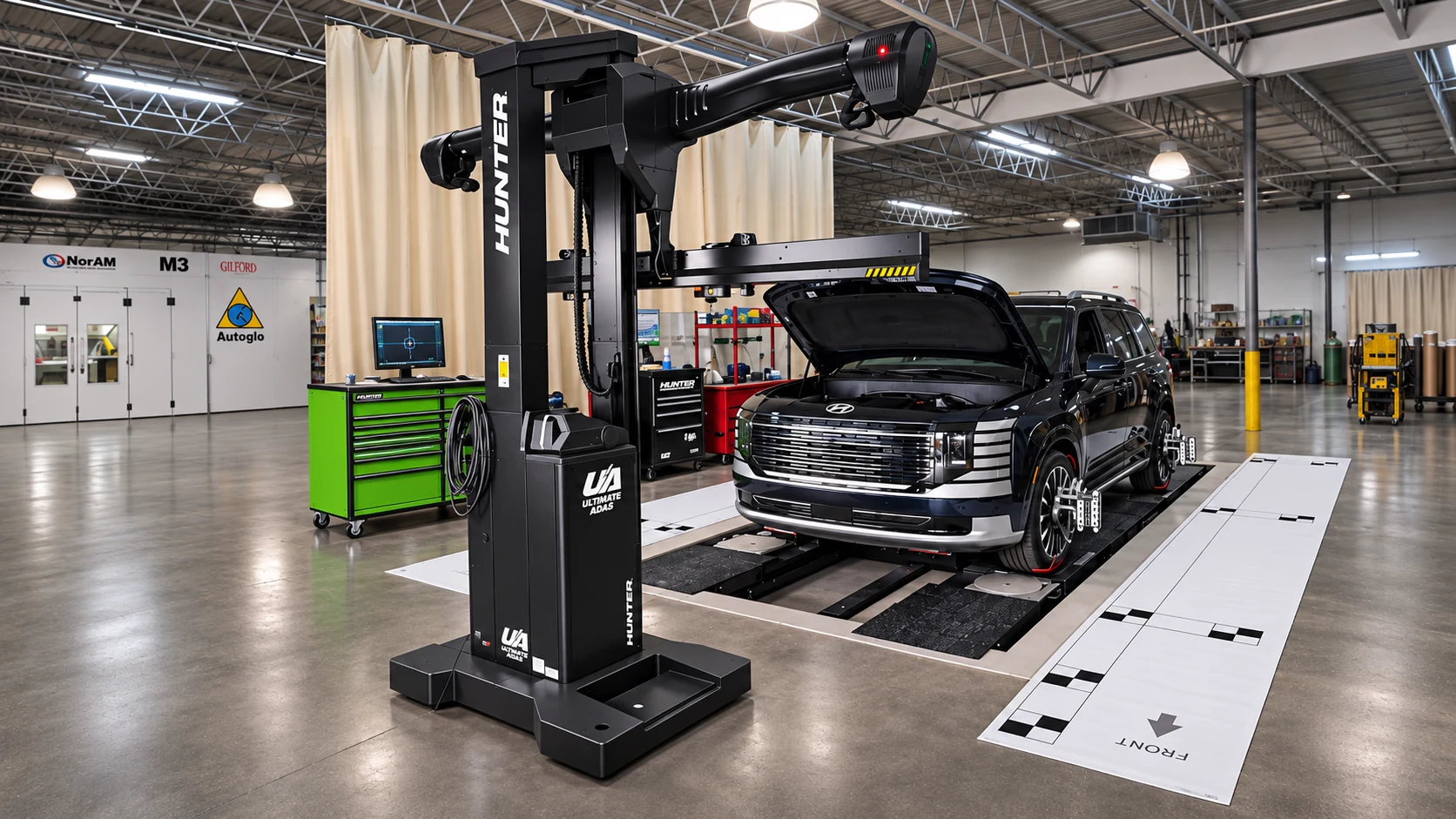
ADAS can help a driver spot hazards, maintain distance, stay in a lane or detect nearby vehicles. These features depend on accurately positioned sensors and cameras.
A vehicle can look fully repaired without telling you whether every applicable system has been inspected and calibrated according to the manufacturer's requirements.
Features vary by make, model and equipment. ADAS assists drivers; it does not replace attentive driving.
Sensors don't always have to be visibly broken to require attention. Collision damage, component removal, replacement, wheel alignment or changes to mounting positions may trigger manufacturer-specific calibration requirements.
Different vehicles have different camera, radar and sensor systems—and different repair requirements.
A scan isn't the same as a calibration. Some systems call for targets, driving procedures, alignment checks or combinations of these.
Post-repair checks help establish which required procedures were performed and whether further diagnosis is needed.
Some ADAS issues may not illuminate a dashboard warning. That's why system identification, procedures and checks matter after applicable repairs.
Autoglo recently purchased the Hunter Ultimate ADAS® system. The technology provides laser-guided target placement and documented calibration workflows, helping technicians perform supported procedures accurately and consistently.
Hunter's system has multiple OEM approvals—a meaningful distinction in an industry where each manufacturer defines its own requirements.
Manufacturer approvals are specific to the equipment, vehicle applications and procedures; they do not mean every procedure or vehicle is covered by one system.
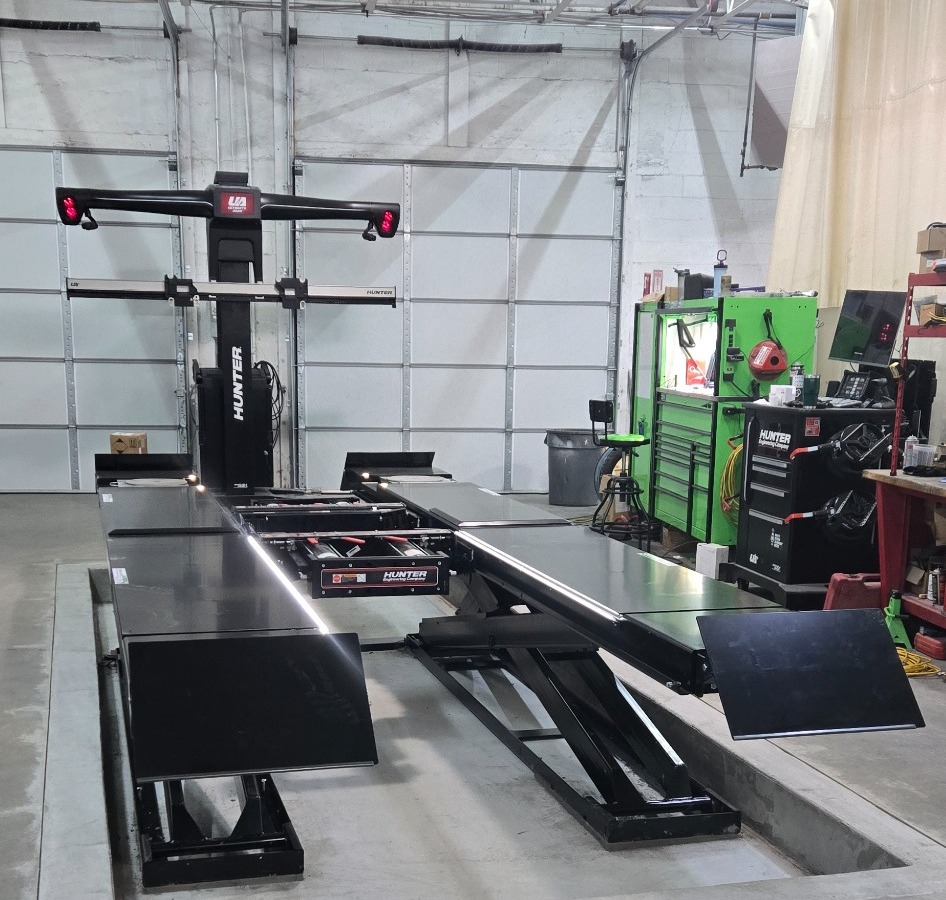
Not every repair requires every step. We determine what applies to the specific vehicle and follow the relevant repair information.
Determine the equipped systems and review applicable manufacturer procedures.
Check for faults, impact-related damage, sensor mounting changes and related repair needs.
Complete applicable static or dynamic calibrations with the specified equipment and conditions.
Perform required post-repair checks and keep records of work completed.
Have questions about your vehicle's cameras, radar or safety systems after a collision? Talk with the Autoglo team.